How to Create a Home That Feels Connected to the Lowcountry
A home feels connected to the Lowcountry when its architecture and interiors reflect the region’s climate, landscape, and lifestyle. Features such as welcoming porches, natural light, marsh and garden views, regional materials, soft nature-inspired colors, and lifestyle-driven layouts help create a stronger sense of place while supporting the way people live in coastal South Carolina.
Some homes are located in the Lowcountry. Others genuinely feel like they belong there.
The difference often has very little to do with an address and everything to do with design. Homeowners throughout Bluffton, Hilton Head Island, Beaufort, and the surrounding coastal communities are increasingly looking for ways to create homes that feel connected to the region’s natural beauty and unique way of life. Yet many people mistakenly believe that achieving a Lowcountry aesthetic simply means adding coastal décor, painting walls blue, or filling a room with nautical accents.
Authentic Lowcountry design runs much deeper than that. The homes that feel most connected to the region are shaped by architecture, interior design, natural surroundings, and lifestyle considerations that have evolved over generations. From expansive porches and thoughtful views to natural materials and comfortable gathering spaces, every design decision contributes to a home that feels rooted in its environment rather than disconnected from it.
Whether you are building a custom home, renovating an existing property, or simply looking for ways to strengthen your home’s connection to the Lowcountry, understanding these foundational principles can help guide smarter design decisions.
Architecture Sets the Foundation for a Sense of Place
One of the biggest misconceptions homeowners have is that Lowcountry style is primarily about decorating. In reality, architecture is often what creates the strongest connection to the region.
Traditional Lowcountry homes were designed to respond to the local environment. Long before modern air conditioning, homes were positioned to capture breezes, provide shade, and create comfortable transitions between indoor and outdoor spaces. While building technologies have evolved, many of those principles remain just as relevant today because they continue to support the way people live along the South Carolina coast.
Scale plays an important role in this experience. Homes that feel connected to the Lowcountry often emphasize comfort and livability over sheer size. Generous ceiling heights, balanced proportions, welcoming entryways, and thoughtfully scaled living spaces create a sense of openness without feeling overwhelming. Rather than impressing through excess, these homes create comfort through thoughtful design.
Many homeowners focus heavily on finishes and furnishings while overlooking the impact of architectural decisions. Yet rooflines, window placement, ceiling heights, and the relationship between rooms often have a greater influence on how a home feels than any decorative element ever could.
Porches Are More Than an Architectural Feature
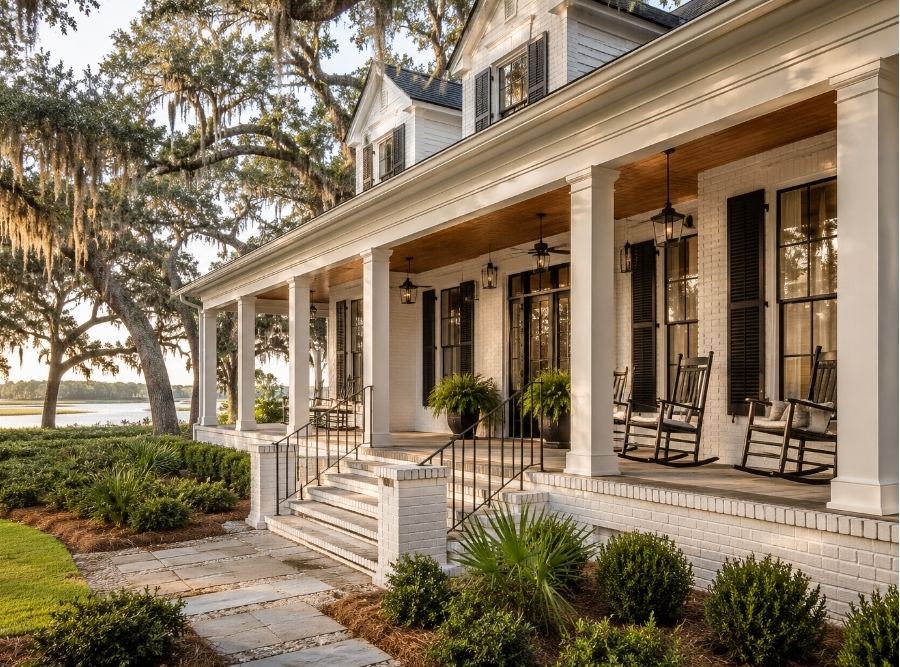
Few design elements are more closely associated with Lowcountry living than the porch. While porches certainly contribute to a home’s visual appeal, their true value lies in how they support everyday life.
In many parts of the country, outdoor spaces are treated as secondary amenities. In the Lowcountry, they often function as primary living spaces. Front porches encourage conversations with neighbors. Screened porches provide comfortable places to enjoy summer evenings. Covered outdoor living areas create natural extensions of kitchens, dining spaces, and family rooms.
The deeper insight is that porches are not simply about architecture. They represent a lifestyle centered around slowing down, gathering with others, and spending time outdoors. A well-designed porch creates opportunities for connection that many homeowners don’t realize they are missing until they experience it firsthand.
One of the most common renovation mistakes homeowners make is treating a porch as an afterthought. The most successful Lowcountry homes often position porches as central design features that strengthen the relationship between the home and its surroundings.
Views and Natural Light Should Influence Design Decisions
The Lowcountry’s natural beauty is one of its defining characteristics. Marshes, waterways, golf courses, mature live oaks, and open skies all contribute to the region’s appeal. Homes that feel connected to the Lowcountry often embrace those assets rather than shutting them out.
Natural light plays a significant role in this process. Bright, well-lit interiors tend to feel more inviting, more spacious, and more connected to the outdoors. Large windows, carefully positioned glass doors, and open sightlines help create a visual relationship between interior spaces and the surrounding environment.
Many homeowners underestimate the importance of views when making renovation decisions. They focus on countertops, flooring, or cabinetry while overlooking opportunities to frame a beautiful landscape or improve sightlines to outdoor spaces. Yet views can influence how a home feels every single day.
This is where thoughtful planning becomes especially important. The goal is not necessarily to create dramatic floor-to-ceiling walls of glass. Instead, it is about understanding how people move through a home and identifying opportunities to strengthen their connection to the landscape. Even modest adjustments can dramatically improve how a home experiences its surroundings.
Materials Should Reflect the Character of the Region
Authentic Lowcountry homes often draw inspiration from the environment around them. Rather than relying on trends, they use materials that feel appropriate for the setting and contribute to a sense of permanence.
Natural wood, brick, stone, textured finishes, and handcrafted details frequently appear throughout Lowcountry architecture because they age gracefully and develop character over time. These materials help create homes that feel grounded and timeless rather than tied to a particular design trend.
Many homeowners don’t realize that material selection influences more than aesthetics. Materials affect how a space feels, how it ages, and how well it connects to the surrounding environment. A thoughtfully selected wood ceiling, reclaimed beam, brick accent wall, or natural stone fireplace can reinforce a home’s connection to the region in subtle but meaningful ways.
One of the biggest mistakes homeowners make is selecting materials based solely on current popularity. Trends come and go. Materials that reflect the character of the Lowcountry tend to remain relevant because they are inspired by the region itself rather than by temporary design fashions.
Color Should Be Inspired by the Landscape, Not a Theme
When people think about Lowcountry interiors, they often picture coastal blues and beach-inspired décor. While those elements certainly have their place, the strongest Lowcountry interiors usually take a more nuanced approach.
The surrounding environment offers a rich palette of inspiration. Marsh grasses, sandy shorelines, oyster shells, driftwood, waterways, and centuries-old live oaks all contribute colors and textures that feel naturally connected to the region. Soft greens, warm neutrals, muted blues, sandy beiges, and weathered wood tones often create a stronger sense of place than overt coastal themes.
Many homeowners discover that decorating around a theme can quickly feel dated. Designing around the landscape tends to create interiors that feel more authentic and enduring. Rather than announcing a coastal aesthetic, these spaces quietly reflect the environment through thoughtful color and material choices.
The result is a home that feels connected to the Lowcountry without relying on predictable design clichés.
Lifestyle-Driven Design Creates the Most Authentic Homes
Perhaps the most important principle of all is designing around how people actually live.
The best Lowcountry homes are not defined by a specific architectural style or color palette. They are defined by how effectively they support the lifestyle of the people who live there. This may mean creating stronger connections between kitchens and outdoor gathering areas, designing flexible guest accommodations for visiting family, improving entertaining spaces, or enhancing everyday functionality throughout the home.
Many architecture and interior design professionals throughout the region embrace this philosophy. Group 3 Designs, a respected Lowcountry architecture and interior design firm, has long emphasized the importance of designing homes that reflect both their environment and the people who live in them. Rather than focusing solely on aesthetics, their work often integrates architecture, interiors, and lifestyle considerations to create homes with a strong sense of place and purpose.
This perspective highlights an important truth. A home that feels connected to the Lowcountry is not simply one that looks the part. It is one that supports the rhythms of life that make the region special. Whether that involves entertaining on a porch, enjoying marsh views at sunset, hosting family gatherings, or simply creating a more relaxed and comfortable environment, the most successful homes are designed around real experiences rather than appearances.
Creating a Home That Belongs
A home that feels connected to the Lowcountry is ultimately the result of thoughtful decisions rather than decorative shortcuts. Architecture, scale, porches, views, materials, color palettes, and lifestyle-driven design all work together to create a home that feels rooted in its surroundings.
For homeowners considering renovations or future design projects, the most valuable question may not be, “How can I make my home look more Lowcountry?” Instead, it may be, “How can I make my home feel more connected to the way people live here?”
The answer often leads to spaces that are more comfortable, more functional, and more meaningful over the long term. Rather than chasing trends, homeowners who focus on authenticity, livability, and a strong sense of place often create homes that continue to feel relevant and welcoming for years to come.